
How to Prepare for Labor: Positions, Pain Management, and Mindset Tips for a Better Birth
Preparing for labor goes beyond packing your hospital bag. The way you manage contractions, move your body, and prepare your mindset can completely change your birth experience.
Labor and delivery is one of the most physical and emotional experiences you will ever go through. If your goal is to feel more in control, supported, and confident, these strategies will help you prepare your body and mind for labor.
Mentally Prepare for Labor
Your mindset matters. Our favorite ways to mentally prepare for labor help you create a more comfortable, supportive, and mindful birth experience.
Create the Right Birth Environment for Labor

Your environment plays a huge role in how you cope with labor. Taking time to intentionally set up your space can help you feel more grounded and in control. Even for my C-sections, I always spent the mornings getting settled in and organizing all my stuff.
Some ways you can create a more relaxing birth environment include:
Organizing your toiletries and clothes between contractions
Dimming the lights (including battery-operated candles or soft string lights)
Playing relaxing playlists (between contractions) and energizing playlists (during active labor)
Trying Aromatherapy (lavender is a popular relaxation oil during labor)
Placing affirmations on the wall
Having a “phones on silent” rule
Setting the room to a comfortable temperature
Bringing personal comfort items, like your own pillow
Breathe Through and Time Each Contraction
One of the most powerful mindset shifts in labor is learning to take it one contraction at a time. We’ve found the best way to stay present is by focusing on timing and breathing.
Timing can give you a sense of control. And instead of fearing the next contraction, you can focus on the one you’re in. Once you’re between contractions, you can relax, talk, and reset. Focusing just on your breath may also feel more natural. Our biggest advice is to try both!
Amy’s Experience: Use a Running Watch to Time Contractions
“I'd take about 10 slow, deep breaths in and out when a contraction started. When the contraction was over, I would check my watch to see how much time had passed. Sometimes the contraction would be over before I finished the 10 breaths. If not, I knew the end was close.”
Use Positive Affirmations During Labor
Positive affirmations can help you reduce fear, build confidence, and keep you grounded. You can use affirmations in any birthing setting—and as often as you need—to support your birth experience.
Affirmations examples you may find helpful include:
“I am made to do this.”
“Just get through THIS contraction.”
“I am so close to meeting my baby.”
It may sound silly, but affirmations work! Positive affirmations help you build confidence that YOU CAN DO THIS!
Amy’s Experience: Write a Letter to Yourself
“Before all three of my births, I wrote a letter to myself. I highly recommend this! We often underestimate the power of encouraging ourselves—but in labor, it can make a huge difference.”
Choose the Right Support Team
The people around you can make a big difference in your birth experience. It can be very similar to planning a wedding—people will want to help, but you need to set boundaries that YOU are comfortable with. Before you give birth, consider who you want to be present during labor and who can visit after birth.
Choose support people who:
Respect your decisions
Encourage you
Know when to step in and when to give space
The priority is always a healthy mom and a healthy baby.
Natural Pain Relief During Labor
Pain is one of the most difficult hurdles of labor, especially if you’re not prepared. Learning how to prepare for labor pain can help you work through tension and relax.
Hip Squeeze Technique
The hip squeeze is one of the most effective pain relief techniques during late pregnancy and labor. From personal experience, this is one that my patients LOVE.
During labor, have your partner or support person apply pressure to the top of the pelvic bones. Squeezing the hips helps open the bottom of the pelvis, creating more space. It also helps reduce pelvic pressure and offers immediate pain relief.

Water Therapy (Bath or Shower)
Warm water can be incredibly therapeutic during birth. Research shows laboring in a warm shower or bath can:
Reduce pain signals
Promote relaxation
Increase endorphins (through relaxation)
Make sure you request a tub room when you arrive at the hospital. Many hospitals have rooms with labor tubs, but they may not be in every L&D room. Getting into the shower can also help ease pain. Try actively rocking on a birth ball, getting down onto your hands and knees, or kneeling and leaning forward onto a birth ball. (You can place towels down for your hands and knees.)
Amy’s Experience: Labor Tubs are a Game Changer!
“I like to labor standing up and squatting for MOST of the time. But when the pain escalates to a point where I’m searching for some relief, I get into the bathtub. During my second labor, I was so relaxed in the tub that I was nearly falling asleep between contractions. When a contraction came, I would sit up, breathe through it, then return to that calm, floating state.”
TENS Unit for Labor Pain
A TENS unit is a small device that provides electrical stimulation. Using a TENS unit during labor can help:
Manage pain
Provide a distraction
Give you a sense of control
During labor, you place the TENS unit electrodes on your lower back and sacrum area. Then, adjust the TENS unit's intensity as needed during contractions. You might feel a buzzing, tingling, or prickling sensation wherever the pads are placed.
A TENS unit can also be used in combination with other non-drug and drug methods of pain relief. However, you can’t use a TENS unit with any form of water therapy.
Warm Compress for Perineal Support
As labor progresses, many women experience the “ring of fire”—a burning or stretching sensation after 7 cm of dilation. Applying a warm compress to the perineum can help:
Reduce pain
Improve tissue flexibility
Decrease risk of severe tearing (third and fourth degree tears)
To keep the compress warm, have your partner, midwife, doula, or nurse keep a bowl of very warm water ready.
Move Around and Labor in Upright Positions
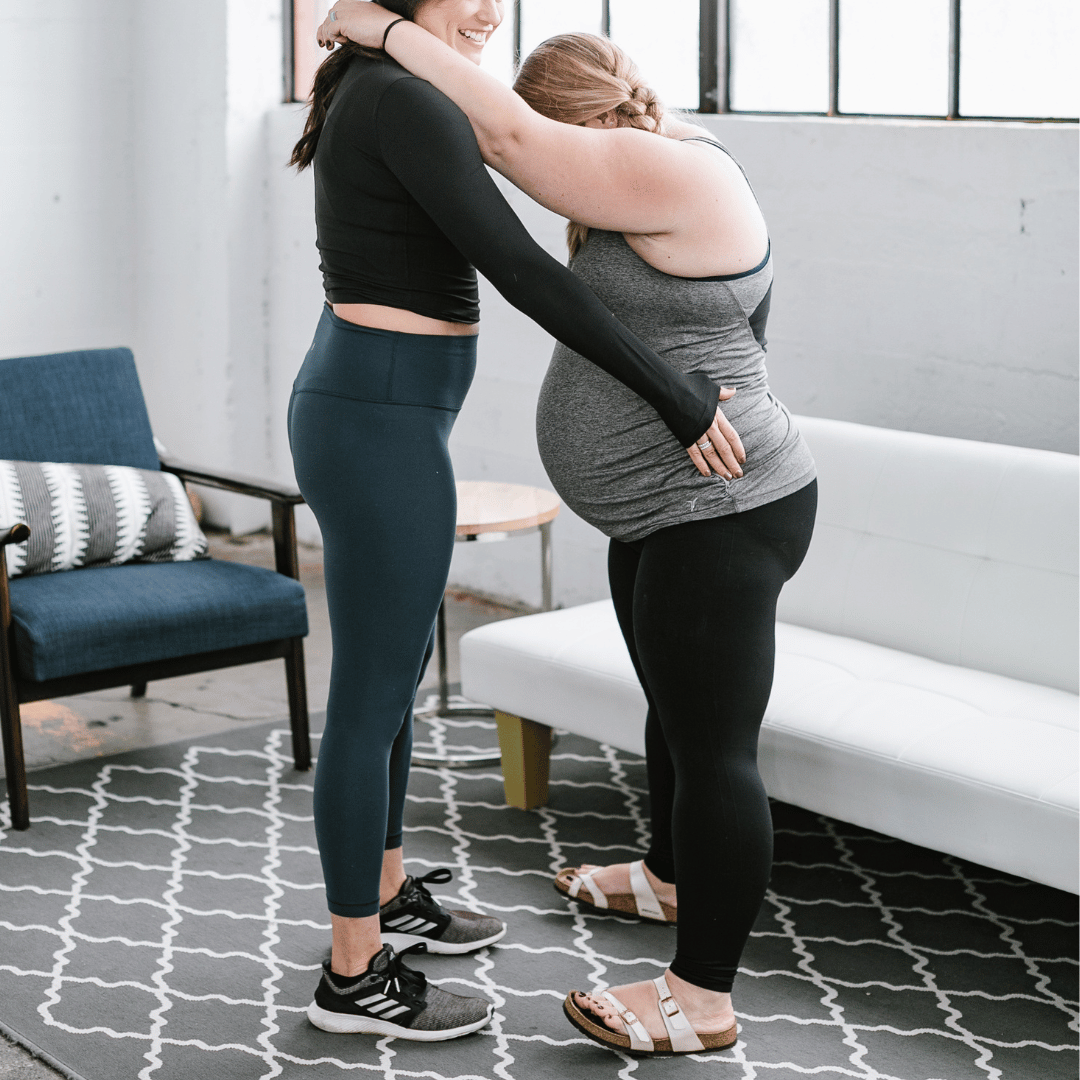
Figuring out your ideal labor positions before birth can help you feel more prepared. Below are some of our favorite partner-assisted and independent positions.
Best Upright Labor Positions
Movement during labor is one of the most important (and often overlooked) tools! I still remember a women’s health class where Dr. Laura Krum shared positive birth experiences from women who stayed mobile during labor. She also shared difficult labor and delivery stories where women stayed still and let pain take over. My biggest takeaway is that active, upright labor matters! \
Benefits of upright positions during labor include:
Shorter labor
Easier pushing
Fewer interventions
Better fetal positioning
More pelvic space
Gravity helping baby descend
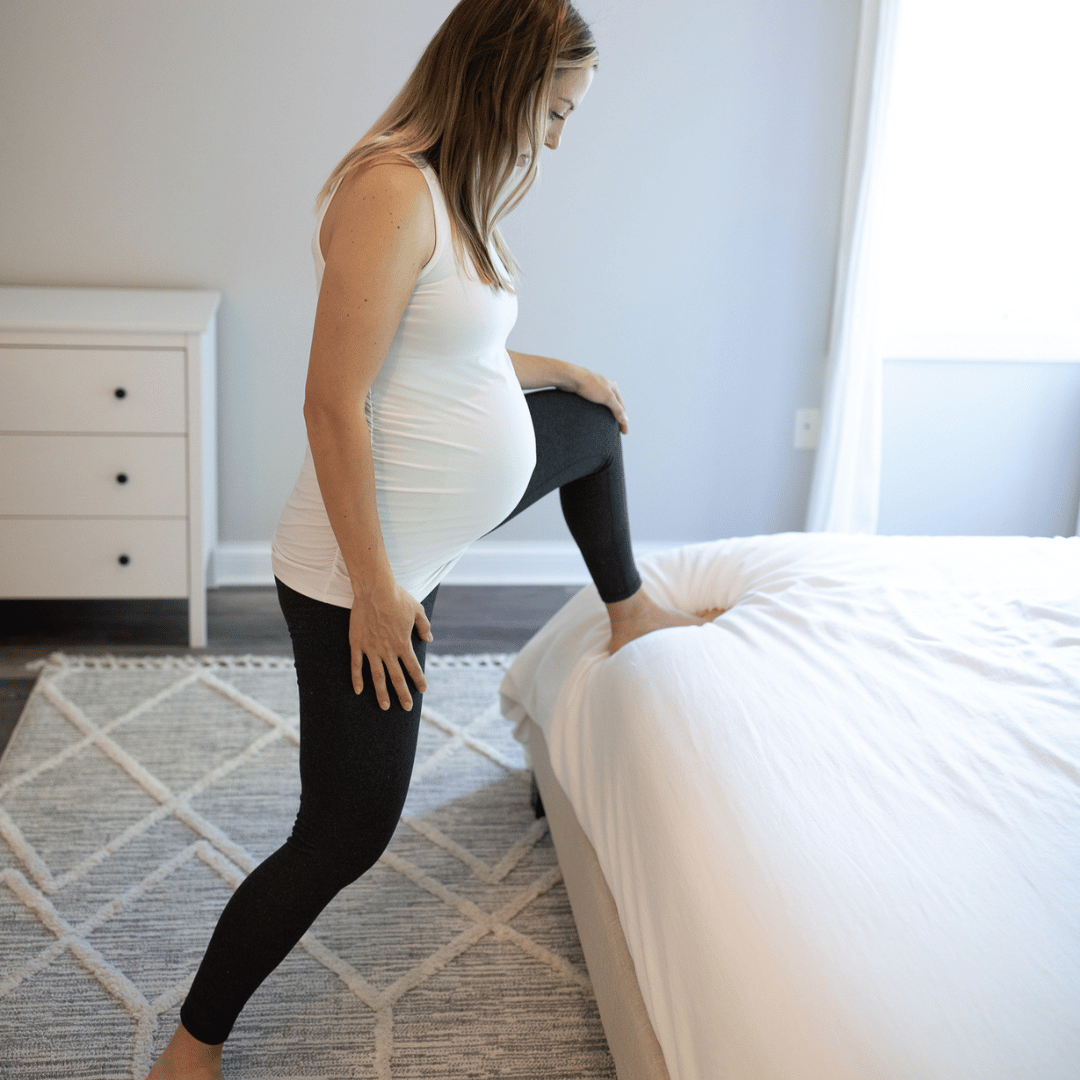
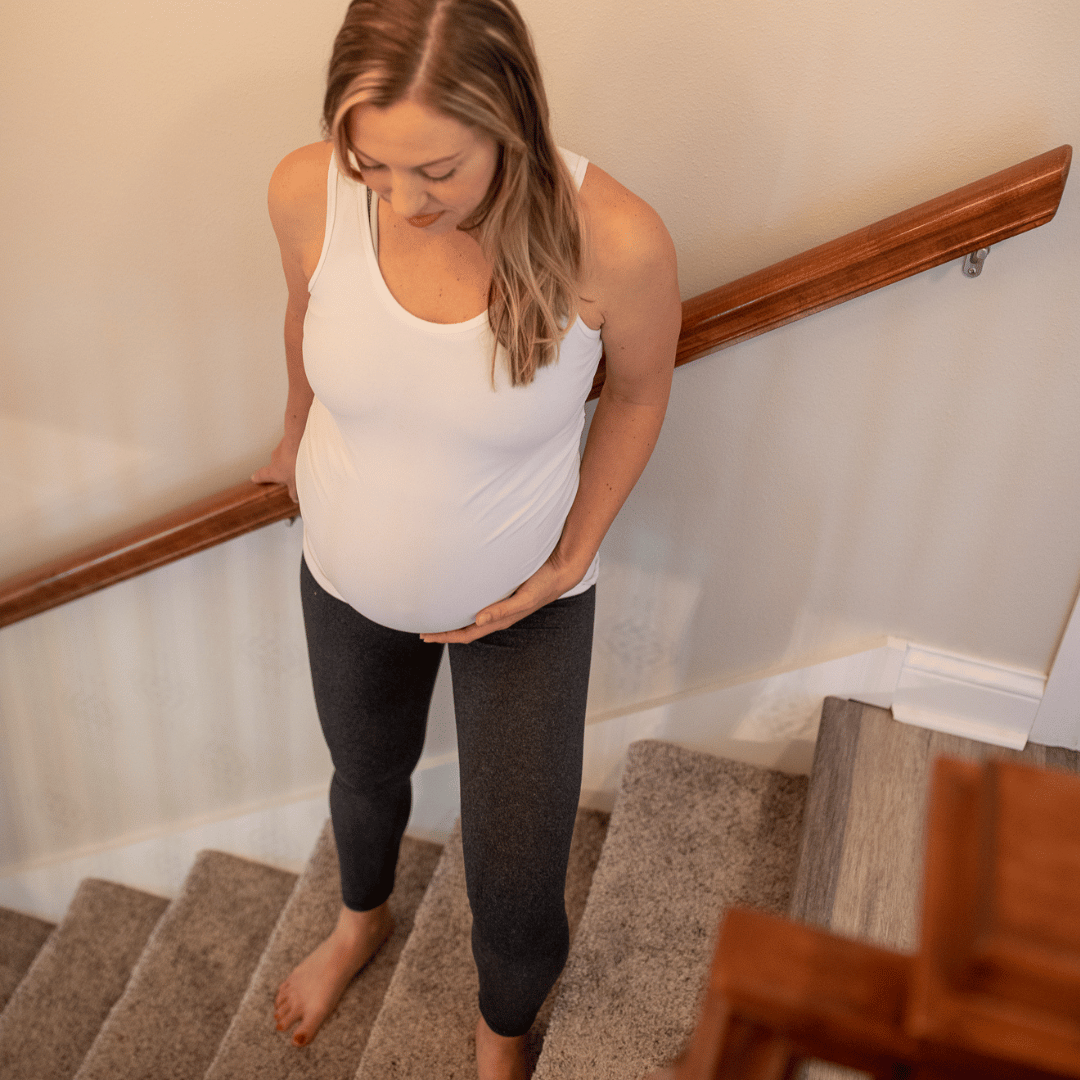
Some great upright laboring positions include:
Walking
Swaying
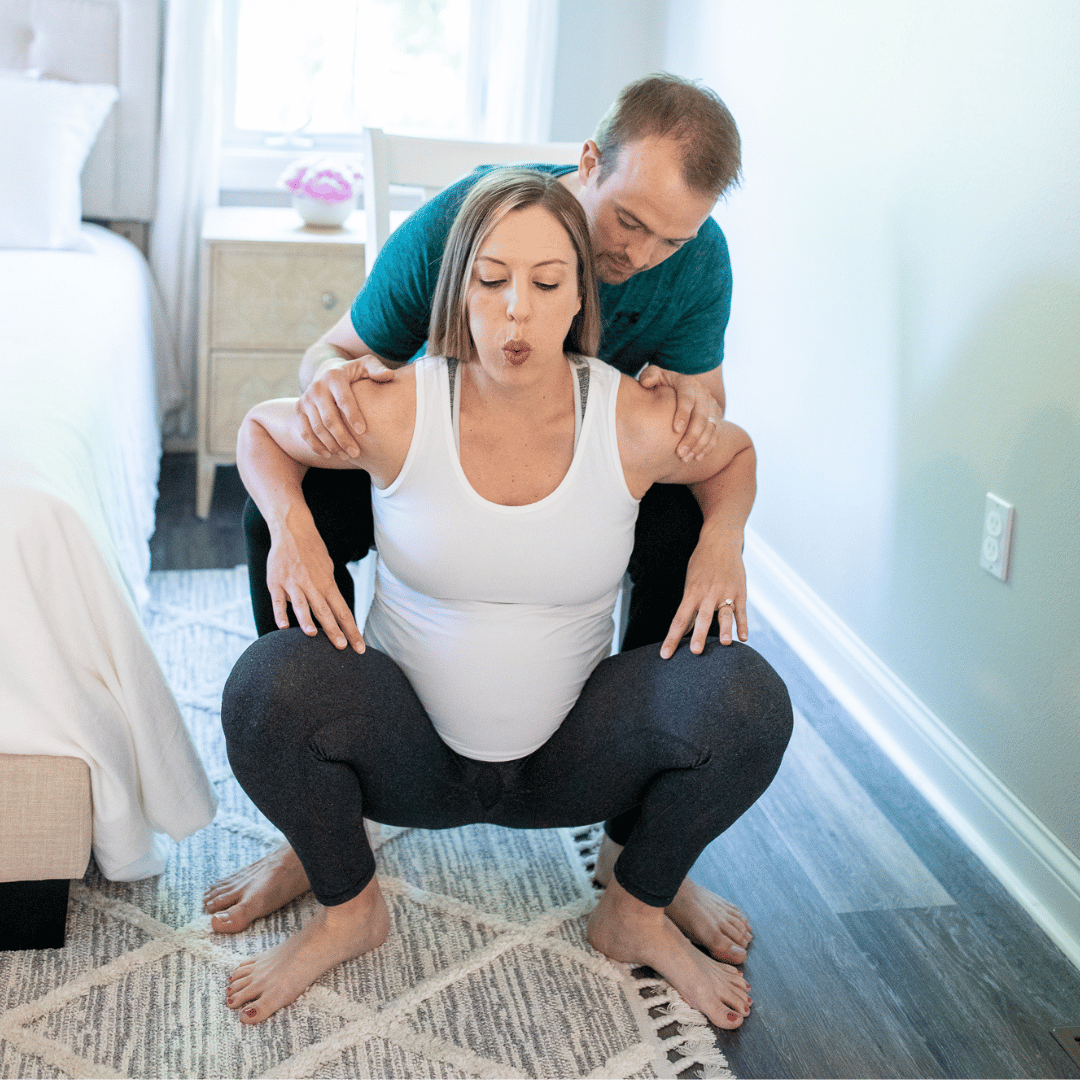
Squatting or semi-squatting
Standing
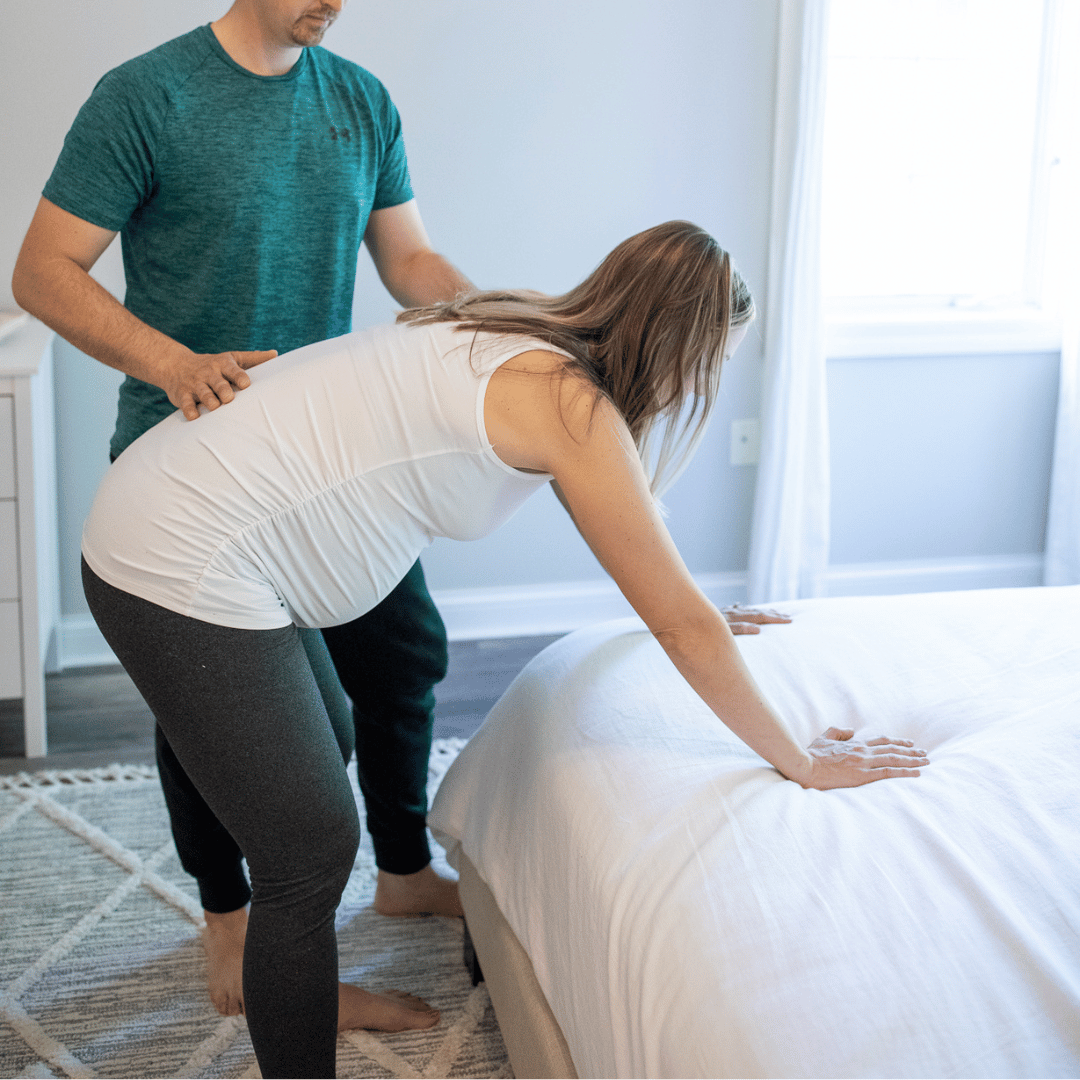
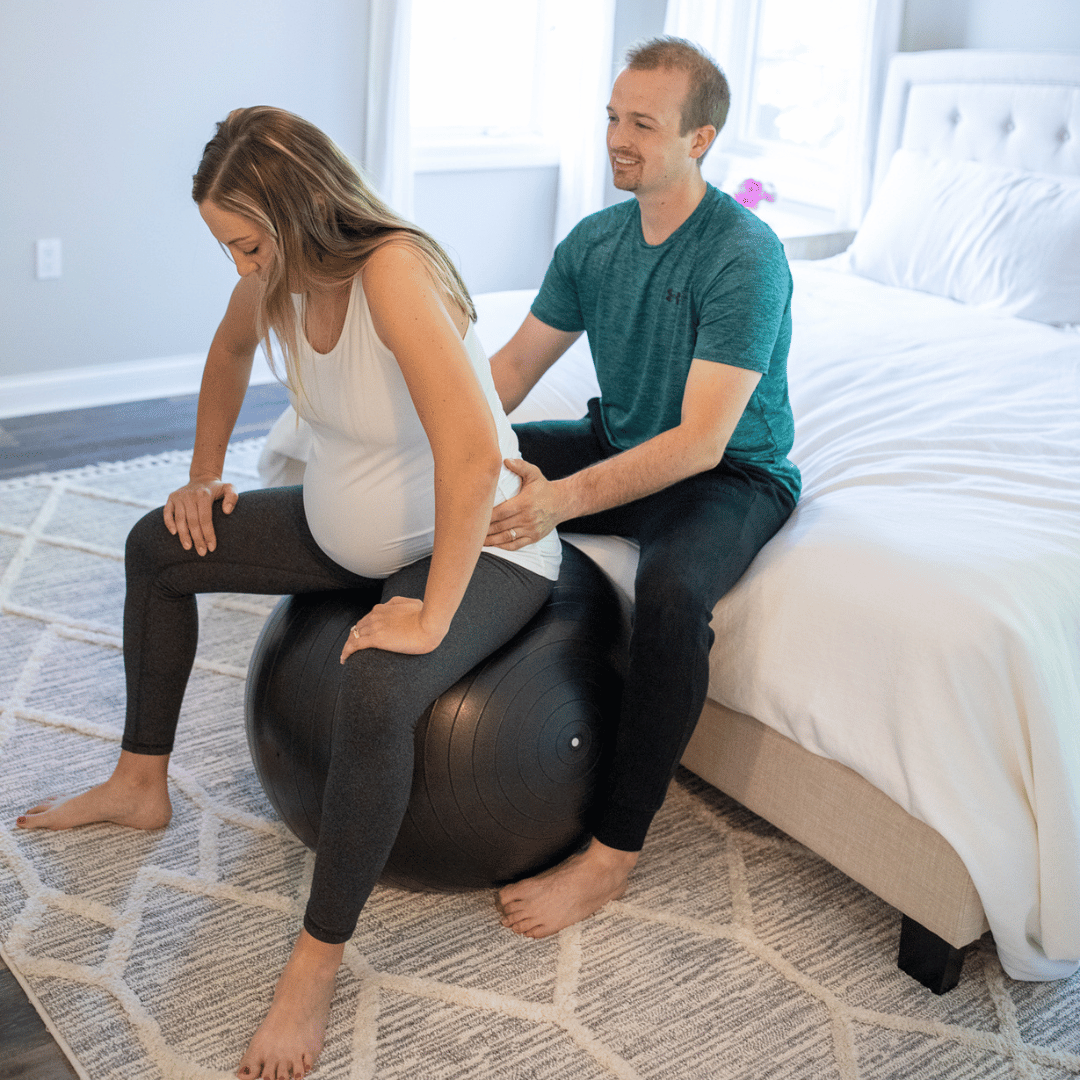
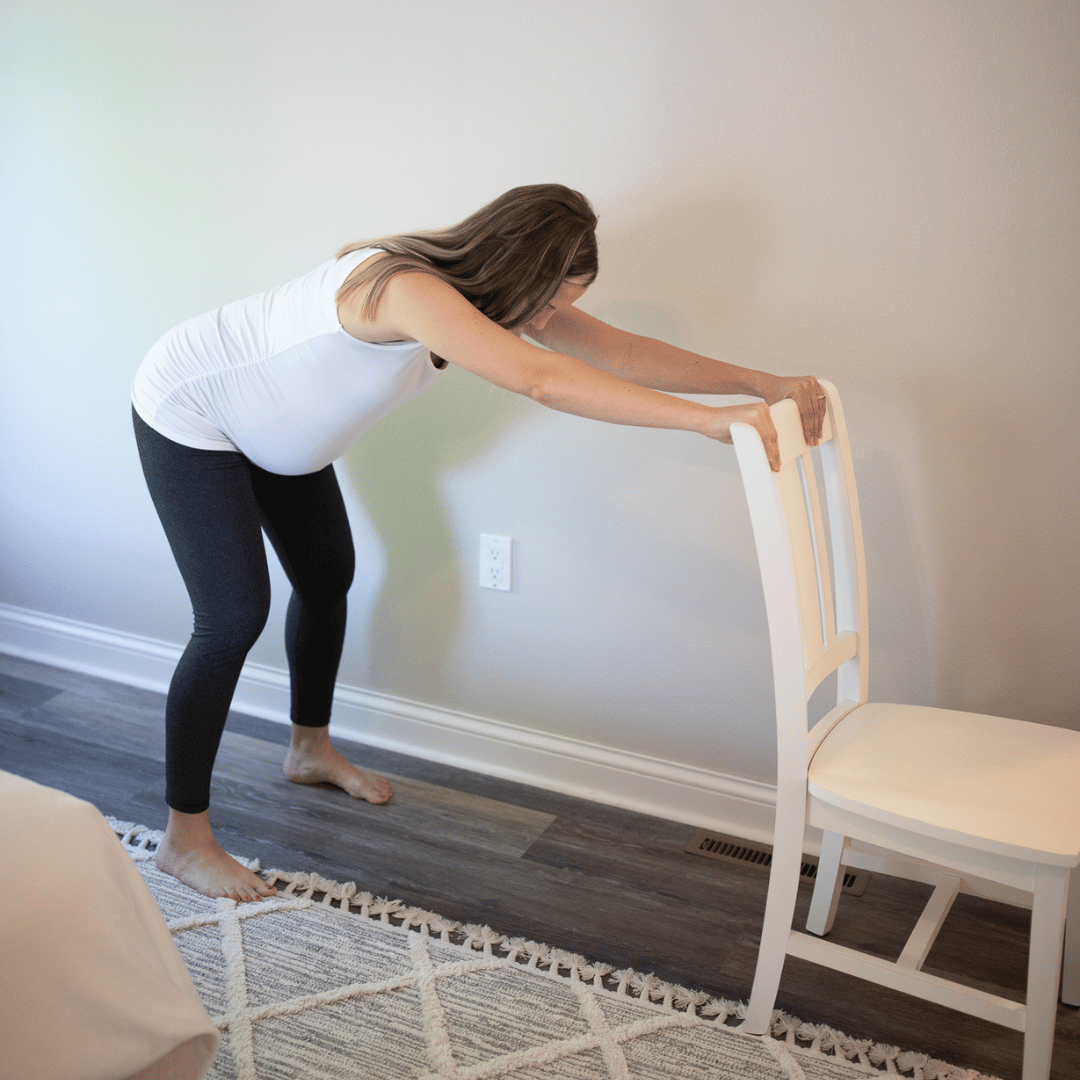
Leaning on a counter, a birth ball, or the edge of the bed
The squat position is an especially powerful upright labor position that increases the pelvic outlet, giving baby more room to descend. That said, there is no perfect position. Your body will guide you, but the key is having options and feeling comfortable moving.


Best Labor Positions for Pushing Without an Epidural
When you’re pushing during labor, you also want to stay in an upright position to help baby move down your pelvis. If you’re laboring without an epidural, these are some of our favorite pushing positions to improve efficiency:
Squatting: Squatting increases the size of the pelvis to help push baby out. It can be tiring and put pressure on the pelvic floor. Adding a birth bar may help you conserve some energy.
Hands and knees: Similar to squatting, getting on all fours and angling your ankles out helps open up the pelvis. However, it puts less pressure on the pelvic floor. Hands-and-knees can also help relieve back pain during labor.
Standing or leaning forward: Using an object like the side of a bed—or your partner for support—can help open the pelvis and progress labor.


Best Labor Positions for Pushing With an Epidural
Having an epidural changes your mobility, but you can stay mobile before getting your epidural. We don’t recommend lying down and pushing in that position because gravity doesn't assist the baby's downward movement. However, just because you have an epidural doesn’t mean you have to lie down on your back to push.
Even with limited mobility, positioning still matters. Some epidural-friendly ways to avoid pushing on your back include:
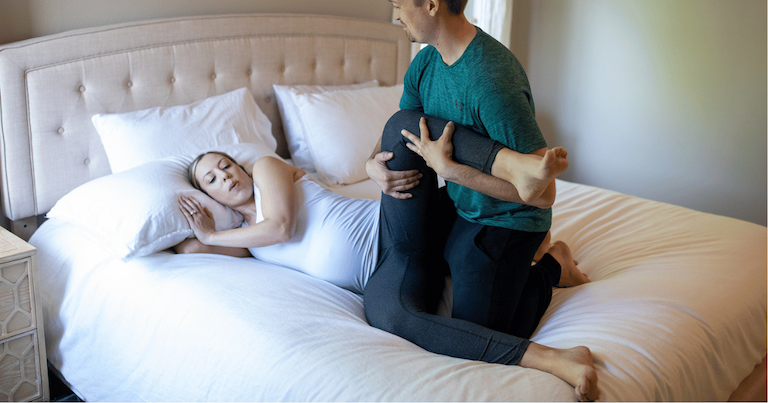
Side-lying with top knee forward: Try lying on your side with your top knee toward your chest. Hold onto the side bar and push down.
Using support bars for pushing: Leaning into or holding onto birthing bars can help you sit more upright or in a semi-reclined position. Push down on the bars as you exhale to help keep your back straight and engage your core.
You Were Made to Do This, but Preparing for Labor is Key!
Labor is not just something to get through. It’s something you can prepare for by focusing on your environment, mindset, breathing, and movement. Preparing for labor gives your body the best chance to work with you—not against you. You are capable, strong, and made to do this!
JOIN THE EXPECTING AND EMPOWERED APP!
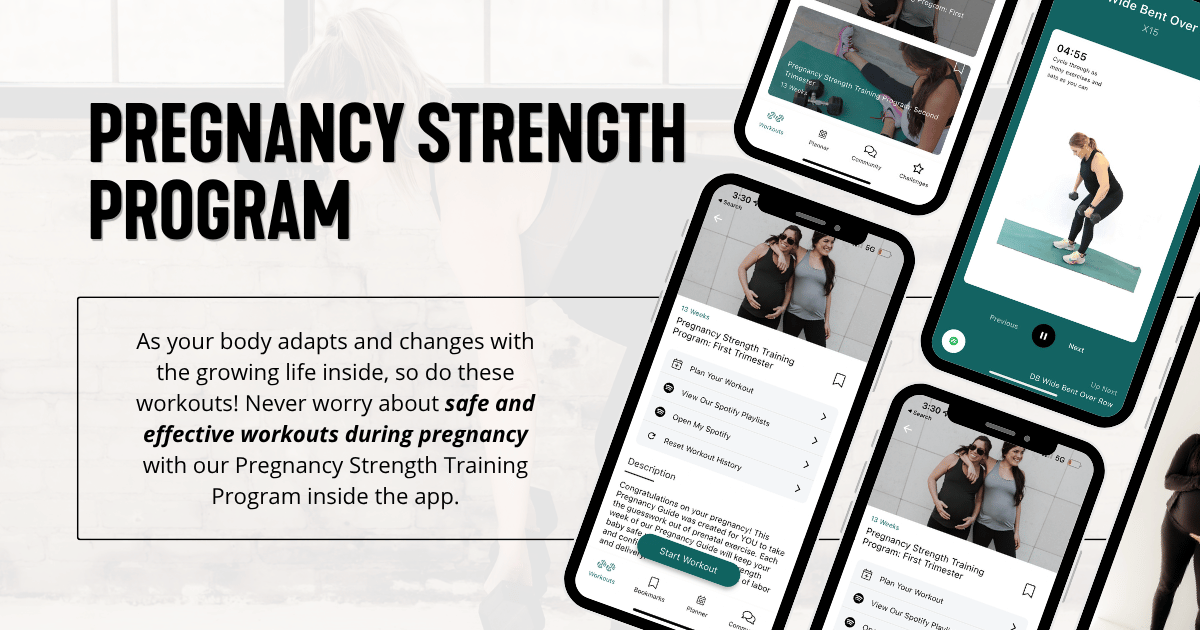
One of the best ways to prepare for labor is to follow an exercise program made specifically for pregnancy. The E+E app offers an easy-to-follow guide that helps you build strength for the physical demands of labor—no matter your fitness level or trimester.
Inside the Expecting & Empowered Pregnancy Program, you’ll find step-by-step workouts catered to your stage of pregnancy, including:
Flexibility and pelvic floor work
Upper, lower, and full body circuits
Core sessions
Designed to be efficient and no more than 30 minutes, working out with the E+E app will prepare your body for labor, reduce common aches and pains, and boost your energy.
SOURCES
Al Aryani Z, et al. (2022). Examining the impact of upright and recumbent positions on labor outcomes in Saudi Arabia: A quasi-experiment. https://pmc.ncbi.nlm.nih.gov/articles/PMC10401374/
Bqlein AS, et al. (2024). Effects of Warm Compresses on the Perineal Area During the Active Phase of Labor: A Quasi-Experimental Study. https://pmc.ncbi.nlm.nih.gov/articles/PMC11424389/
Gorman J, et al. (2023). Squatting, pelvic morphology and a reconsideration of childbirth difficulties. https://pmc.ncbi.nlm.nih.gov/articles/PMC9154243/
Mellado-García E, et al. (2024). Systematic Reviews and Synthesis without Meta-Analysis on Hydrotherapy for Pain Control in Labor. https://pmc.ncbi.nlm.nih.gov/articles/PMC10855539/
Njogu A, et al. (2021). The Effects of Transcutaneous Electrical Nerve Stimulation During the First Stage of Labor: A Randomized Controlled Trial. https://pmc.ncbi.nlm.nih.gov/articles/PMC7905652/
Tabatabaeichehr M, et al. (2020) The Effectiveness of Aromatherapy in the Management of Labor Pain and Anxiety: A Systematic Review. https://pmc.ncbi.nlm.nih.gov/articles/PMC7445940/