
How to Do a DIY Color Analysis at Home (Using AI!)
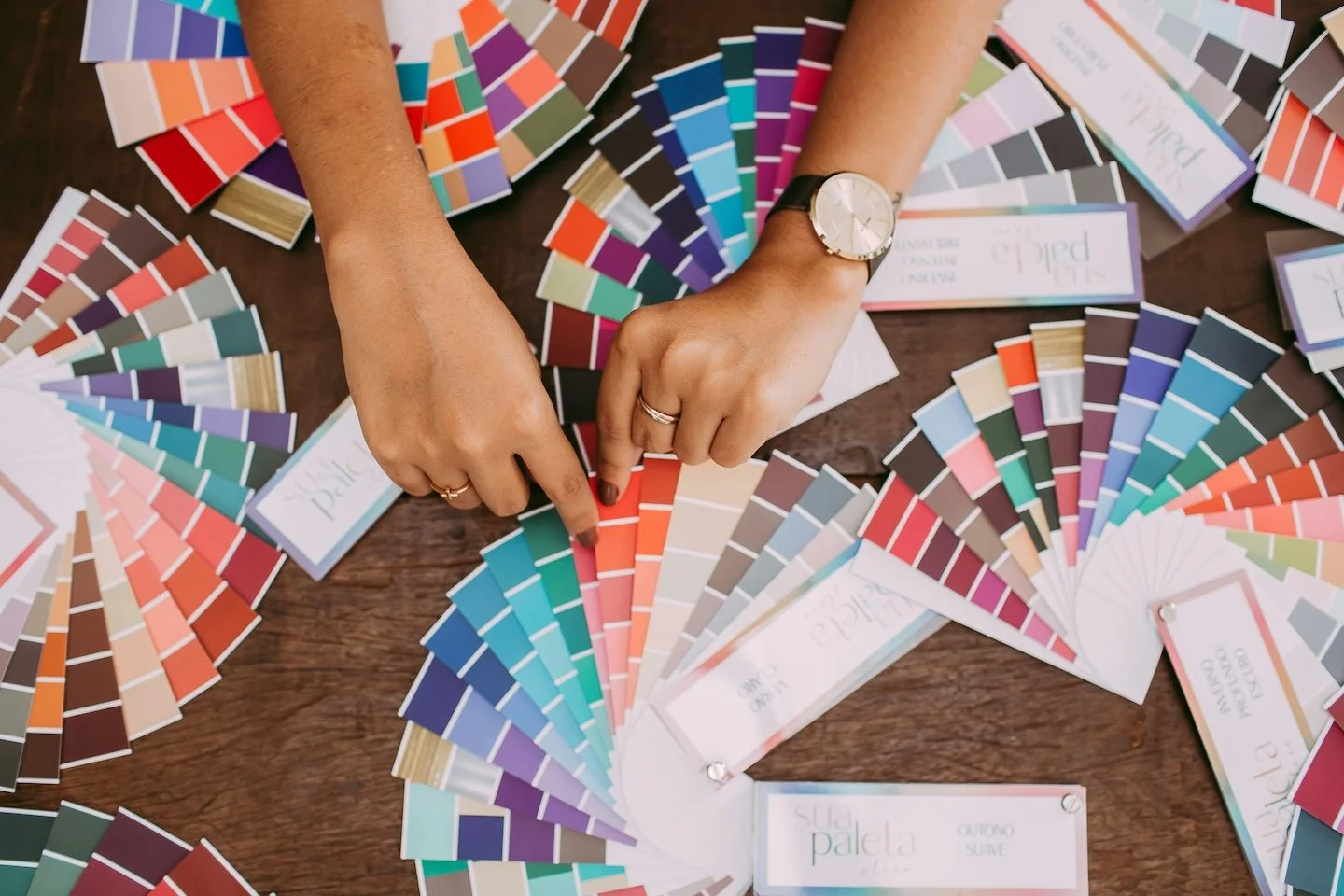
Have you ever bought a shirt you loved on the hanger, only to get home and wonder why it just...didn't look quite right?
That was me.
For years, I found myself reaching for the same few pieces over and over while other clothes stayed untouched in my closet. I couldn't explain it. I thought maybe I was just picky or bad at shopping.
Then I had my colors analyzed.
Suddenly, everything made sense. Certain colors made my skin look brighter, my eyes stand out, and I felt more put together with almost no effort. Other colors, even ones I liked, made me look tired or washed out.
If you've been curious about color analysis but aren't ready to invest in a professional service, here's a fun way to get started at home using AI.
What is Color Analysis?
Color analysis helps determine which colors naturally complement your skin tone, hair, and eyes. Most people fall into one of four seasonal color palettes:
Spring
Summer
Autumn
Winter
Each season has colors that make you look vibrant and healthy, while other shades can make your complexion appear dull or washed out.
The goal isn't to limit your wardrobe, it's simply to make getting dressed easier. I learned I’m a soft autumn, and finding our what colors worked for my skin tone was such a game changer!
Step 1: Take the right photos
The better your photos, the more helpful AI can be.
Here's what you'll want:
Natural daylight (stand near a window if possible)
No filters
Minimal or no makeup
Hair pulled back so your face is fully visible
A plain background if possible
Then take several photos holding different colors underneath your chin.
Colors to test:
If you don't own these colors, don't worry!
Grab a kitchen towel, your husband's t-shirt, your kid's sweatshirt, a blanket, or anything around the house that's close.
Try to include:
Bright white
Cream or ivory
Black
Navy
Camel or tan
Cool pink
Coral
Bright red
Burgundy
Olive green
Emerald green
Mustard yellow
Bright blue
Soft dusty blue
Don't stress about finding the exact shades. Close is perfectly fine.
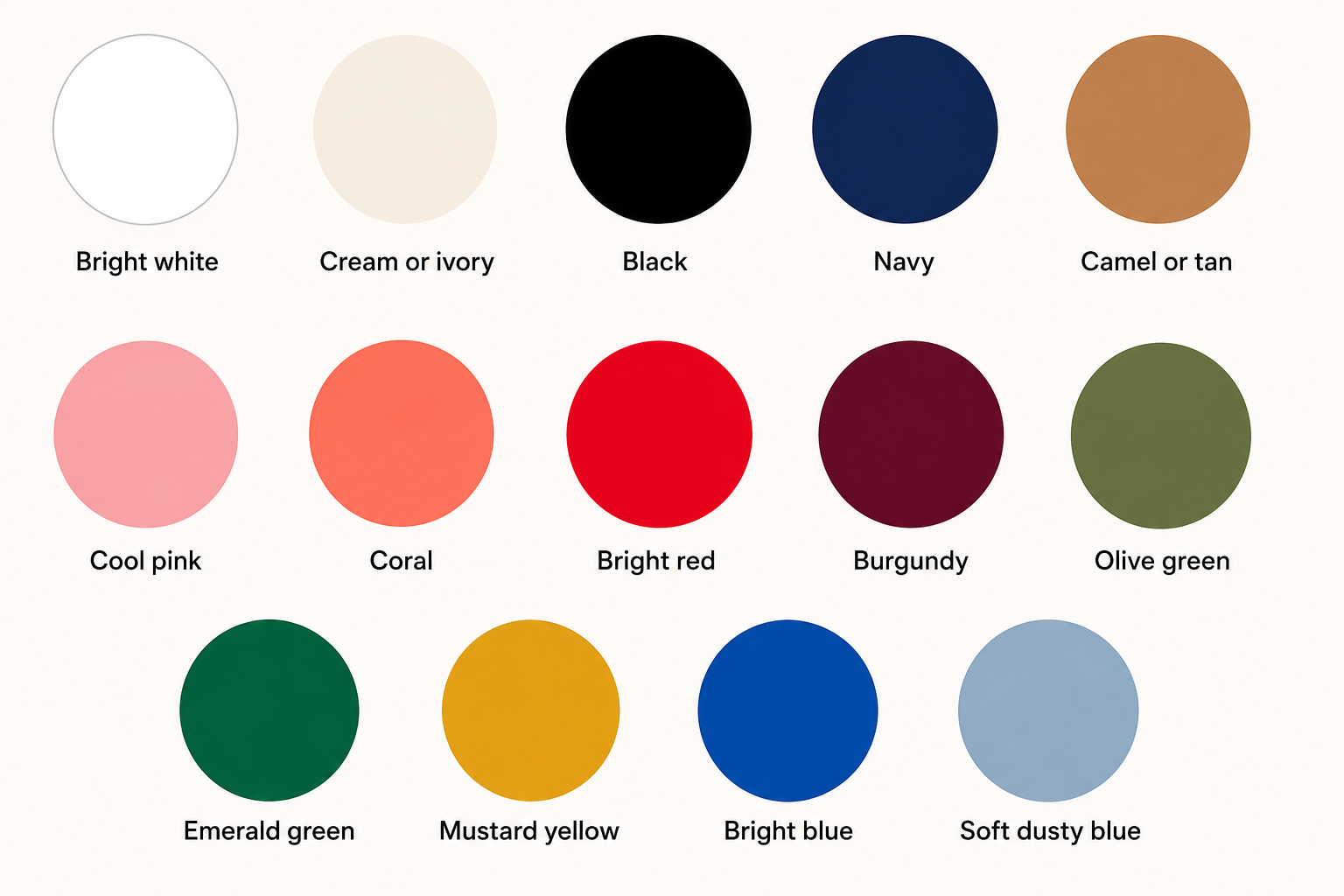
Find these colors (or as close to the shades as possible) around your house to get the best results for this color analysis!
Step 2: Copy this prompt into AI
Prompt:
I want you to act as a professional color analyst. Based on the photos I upload, determine which seasonal color palette (Spring, Summer, Autumn, or Winter) best matches my natural coloring.
Please analyze:
• My skin undertone (warm, cool, or neutral)
• My contrast level
• Which draped colors brighten my complexion
• Which colors make me appear washed out or tired
• My likely season and subtype if possible (such as Soft Autumn or Bright Spring)Then provide:
My best clothing colors
Colors to avoid
Jewelry recommendation (gold, silver, or both)
Makeup color suggestions
Hair color recommendations
A simple explanation of why these colors work for me.
Then upload your photos.
Step 3: Compare the colors yourself
One of my favorite parts is simply flipping through the photos.
Ask yourself:
Which colors make my skin look brighter?
Which colors make my eyes stand out?
Which ones make me look healthy and rested?
Which ones make dark circles or redness more noticeable?
Sometimes the answer becomes obvious once you see them side by side.
Is AI as accurate as a professional?
Probably not.
I personally had my color analysis done by Created Colorful, and I absolutely loved the experience. If you're someone who wants a very detailed, personalized analysis, I'd definitely recommend going that route.
But if you're simply curious or want to dip your toes into color analysis before investing, AI is a surprisingly fun place to start.
Why I love knowing my colors:
The biggest surprise wasn't that I suddenly loved every outfit.
It was that I stopped buying clothes that were never going to become favorites.
Now when I'm shopping, I have a much better idea of what will actually work for me. My closet feels more cohesive, getting dressed is quicker, and I spend less money on impulse purchases that end up sitting unworn.
Sometimes the smallest changes make the biggest difference—and for me, color analysis was one of them.